Balancing Tradition and Innovation: The Future of Commercial Architecture
Studio’s Name - LTDF Associate Partner and Principal Architect - Natasha Kochhar
The Interwoven Nature of Tradition and Innovation
In commercial architecture and design, tradition and innovation are not opposing forces but complementary elements that shape meaningful, future-ready spaces. Tradition, derived from the Latin tradere, meaning “to pass over,” is about carrying forward knowledge, values, and craftsmanship. Innovation, on the other hand, introduces something new—but always builds upon what preceded it.
Tradition: Rooting Brands in Meaning and Legacy
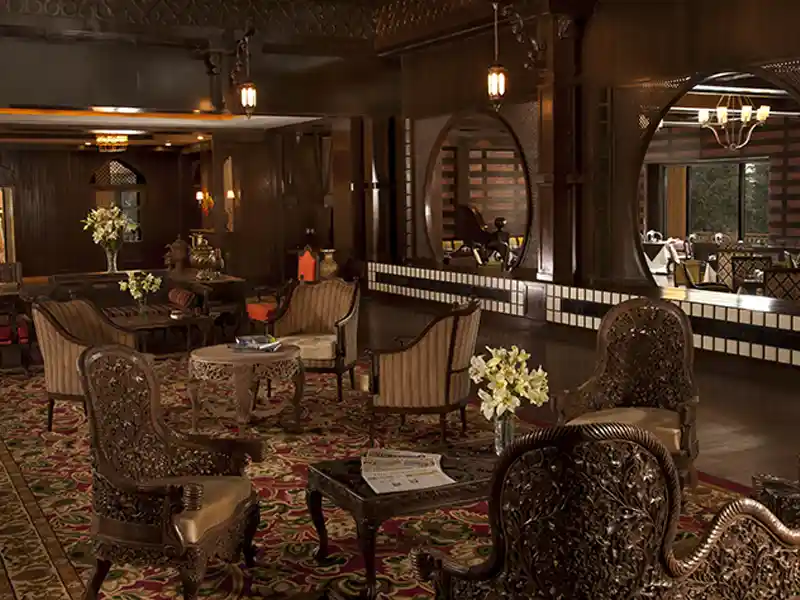
Incorporating traditional elements into commercial spaces adds depth and authenticity to a brand’s positioning. Whether through heritage materials, artisanal craftsmanship, or cultural references, tradition creates a sense of continuity and legacy. Luxury hotels evoke timeless elegance by integrating classical proportions, while restaurants use local materials to connect with regional heritage. These elements ground a brand in authenticity, making it more relatable and emotionally resonant for customers.
Innovation: A Future-Forward Investment
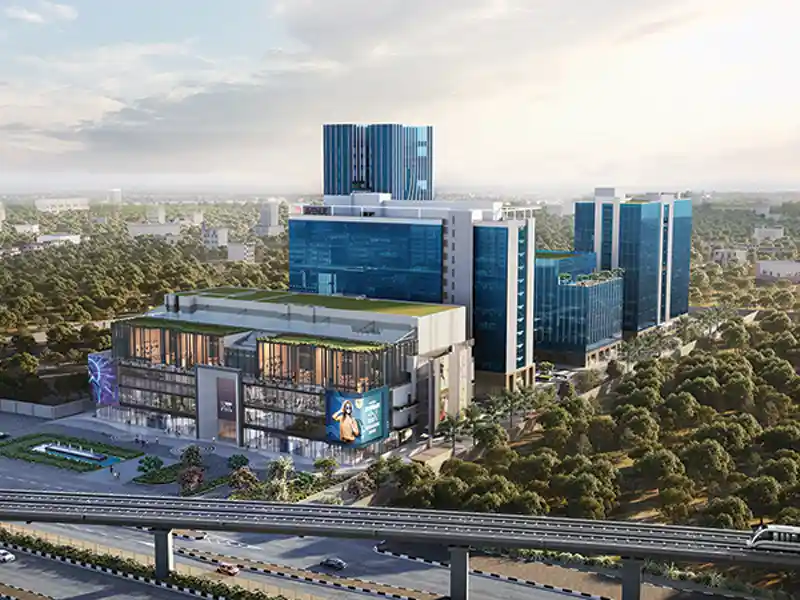
While tradition provides meaning, innovation ensures relevance. Cutting-edge design elements, smart technology, and adaptive spaces position a brand as forward-thinking. From AI-driven lighting in retail stores to parametric façades that respond to climate conditions, innovation adds novelty and newness—making commercial spaces feel like an investment in the future.
Designing With the Wisdom of the Past, for the Future
Great commercial design is not about choosing between tradition and innovation—it’s about merging them seamlessly. The most successful spaces integrate the wisdom of the past with forward-thinking solutions, creating environments that feel both familiar and groundbreaking. When balanced effectively, tradition adds soul, and innovation adds excitement—ensuring that commercial spaces are both meaningful and future-ready.
Designers share their design philosophy, comparing minimalism with maximalism, highlighting their core principles, emotional impacts, and practical application
Located in Matunga, Mumbai, this innovative 1200 sq. ft. early-learning environment is conceived around the idea that “this school is all about the walls.” The
Sculpt Design Studio presents Concrete Heaven, a contemporary residence spread across an area of 3024 sq ft in Saraswati Vihar, New Delhi, thoughtfully
Nestled amidst the scenic landscape of Gulmarg, Kashmir, the Khyber Himalayan Resort & Spa stands as a beacon of intimate luxury and refined design. Drawing
As India steps into 2026, the real estate sector stands poised to move from momentum to maturity—building cities that are connected, resilient, and fundamentally
Umang Bansal, Chairman, Polo Elevators: The perception of home elevators in India has shifted from being an extravagant luxury item for high-end villas to a
Sidharth Chowdhry, Managing Director, Dalcore: In a market crowded with high-end offerings, thoughtful design has emerged as the true differentiator, turning
Alina Zaki, Creative Director & Ali Kamil, Director, Align By Mr. Glass: A few years ago, green living real estate was often reserved for niche or luxury
Stay ahead of the curve.
Architecture, design, materials, products, news and industry updates — delivered to your inbox.