Beyond Survival
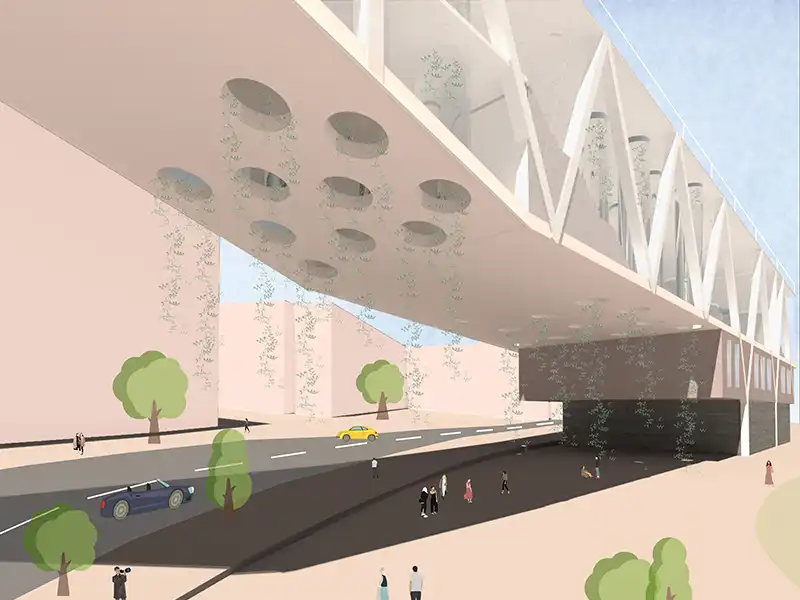
Resilience goes beyond surviving adversity; it’s about thriving amidst it. Resilient architecture, understood as more than safeguarding structures, aims to enhance the human experience. It’s not just about enduring the elements, but also about crafting spaces that nurture well-being, adaptability, and sustainability.
The Key to Resilience
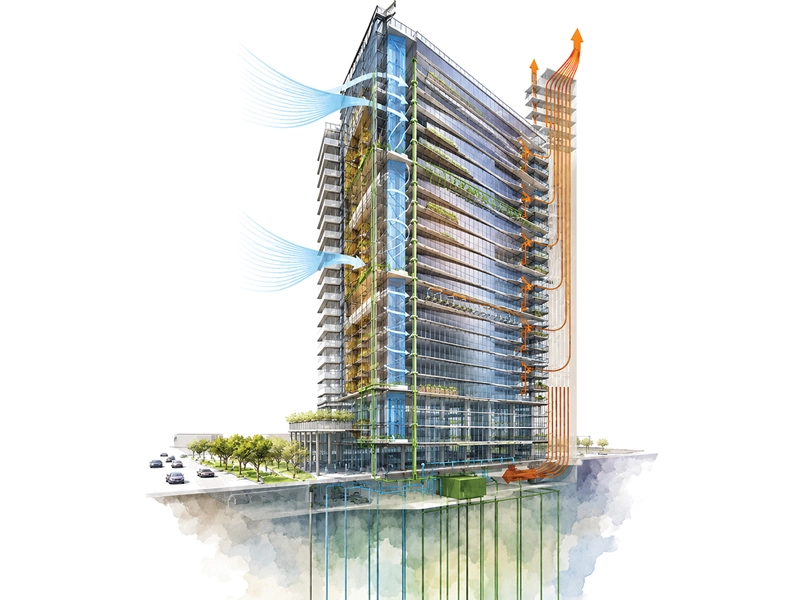
Resilient architecture centers on adaptive design, where spaces function as living entities, adjusting to changing conditions. This entails creating structures that flex and evolve in response to shifting climates, demographics, and technologies. Picture a building altering its energy consumption with changing weather or a city reshaping its layout for new mobility solutions. Adaptive design is the path to future-proofing our creations, ensuring their relevance and functionality in an ever-changing world.Sustainability and Resilience
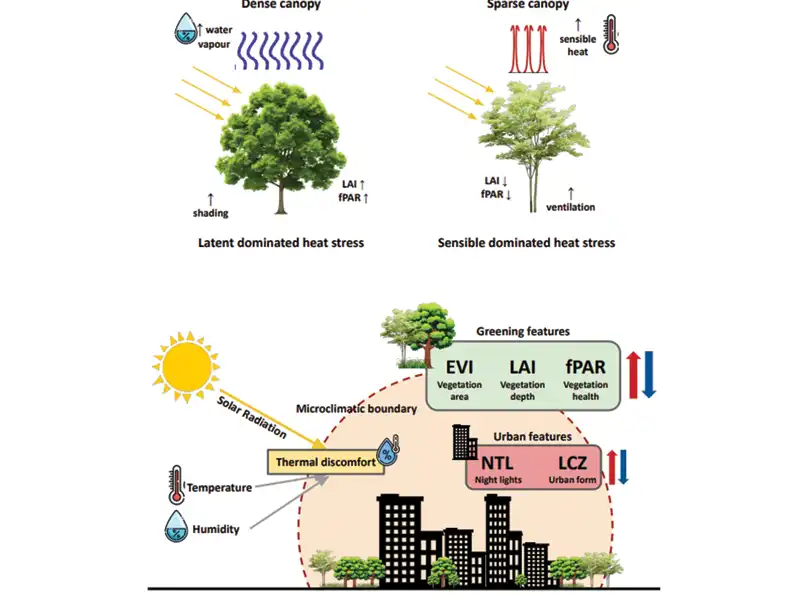
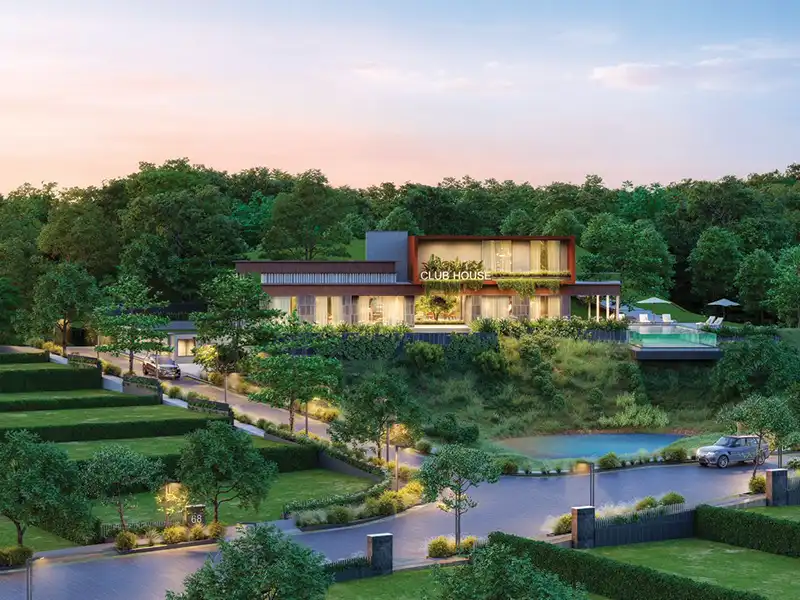
Sustainability and resilience are natural allies in modern architecture, where sustainable design principles align seamlessly with resilience goals. Designing for the future entails minimizing our ecological footprint today, emphasizing renewable energy, green materials, and energy efficiency. In several of our mixed-use projects at DPA, we embrace sustainability through integrated rainwater harvesting and solar panels. This approach not only trims costs but also bolsters the building’s resilience against resource scarcity and energy fluctuations.Cultural Resilience: Preserving Heritage

Community-Centric Design
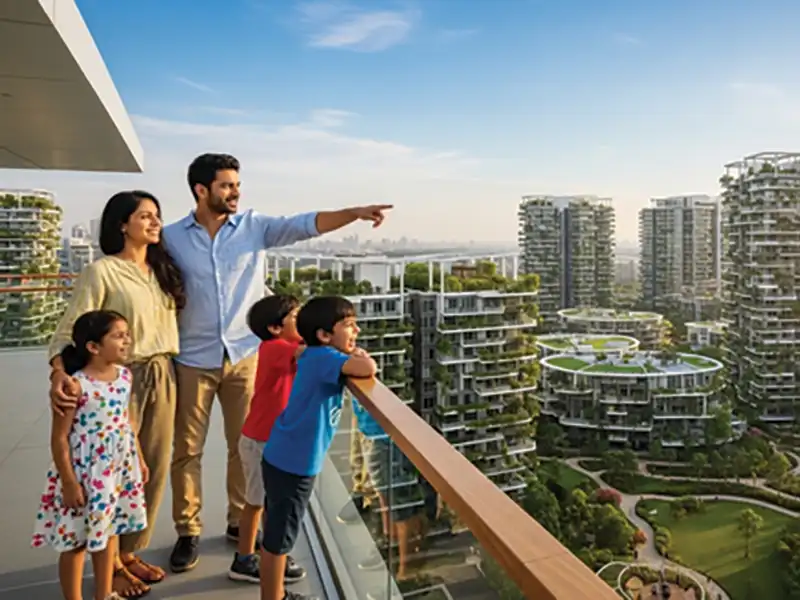
The true strength of resilient architecture lies in its ability to serve the needs of a community. The best architects are community stewards, listening to the voices of residents and designing spaces that enhance their quality of life. In a recent urban redevelopment project, we engaged with the local community to revitalize a neglected neighborhood. The result was a vibrant, resilient urban center that addressed the community’s unique needs while offering spaces for recreation, commerce, and social interaction. This approach aided us in creating community resilience as well as in enhancing the overall urban fabric.Technology as an Enabler
Embracing technology proves essential in the pursuit of resilient architecture, driven by innovation. Advances in materials science, artificial intelligence, and building technology present huge opportunities to craft structures capable of evolution and self-optimization. For instance, the utilization of smart building systems offers energy efficiency, and 3D printing stands poised to revolutionize construction, enhancing speed and resource efficiency, thus, becoming pillars of a resilient architectural approach.Resilient architecture centers on adaptive design, where spaces function as living entities, adjusting to changing conditions; it is the path to future-proofing creations, ensuring their relevance in an ever-changing world.
Sonali Bhagwati
Resilience Through Collaboration
Resilient architecture is not the domain of a single visionary but the result of collaborative efforts by architects, engineers, urban planners, and community members working together to shape an adaptive future. Holistic development hinges on the active participation of all stakeholders when envisioning a master plan to transform an industrial area into a vibrant, eco-friendly community. This comprehensive approach to design ingrains resilience into the very essence of the project, ensuring its ever-lasting success.