Katja Bernert
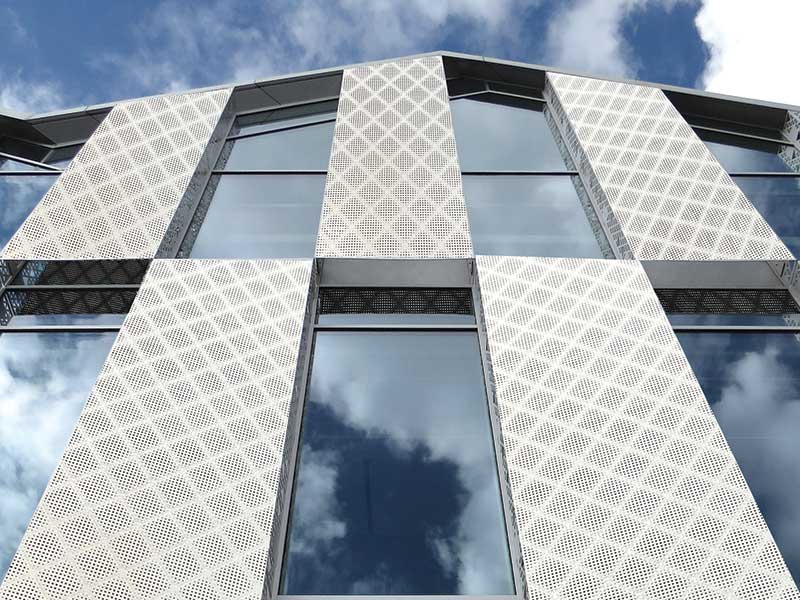 Bild Fassade
Only recently, the German weaving and coating company Mehler Texnologies presented an innovative technology that involved using recycled PET bottles for the fabric of one of their architectural membranes: a milestone in making textile architecture even more sustainable.
 Coral
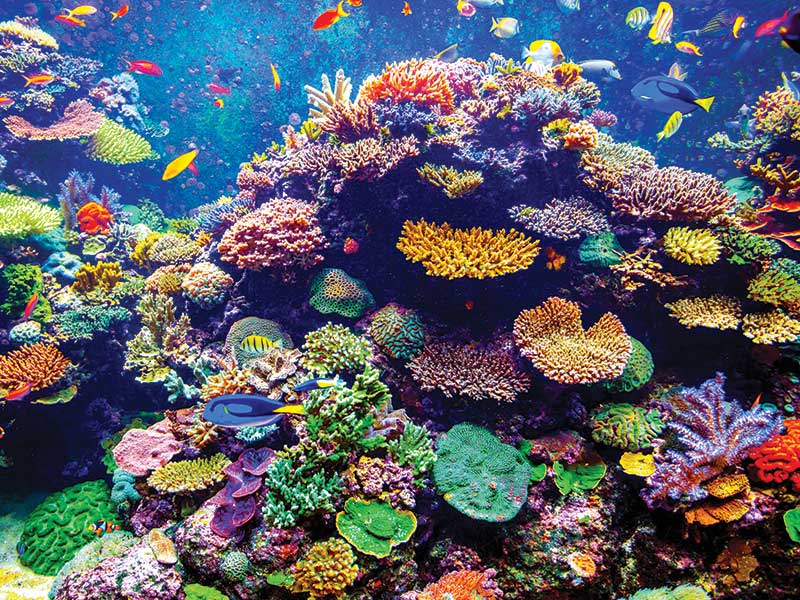
CoralIn a prestigious application of this brand-new technology, Mehler Texnologies, along with a world-renowned British design team, developed a bespoke weave for huge 20-meter diameter umbrellas in a resort within the Red Sea for a Saudi Arabian client.
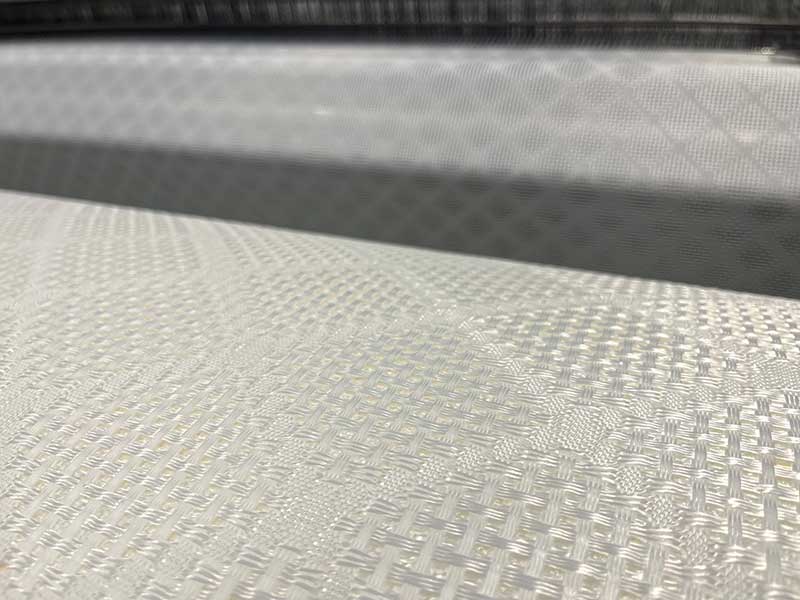
In the future we will see more of these examples of sustainable lightweight architecture in textile roofs and façades. For the textile architecture industry, it is essential to identify and explain the main advantages of using lightweight fabrics. Architects and engineers need to know the conditions that are most apt for using textiles – either with or without a bespoke weave. There are countless options for applying woven patterns as sustainable façade and roofing options. The resort featuring the bespoke weave is just one of them. The special appeal of the Red Sea project is the fabric’s beautiful colours mirroring the beauty of the surrounding coral sea, making it a trendsetter for seeing more individual weaving patterns and a greater variety of colours in textile architecture in our built environment.